Europe welcomed over 809 million international tourists in 2025, making it the most visited region on the planet. With thousands of years of history, landscapes that range from volcanic islands to Alpine peaks, and food cultures that have shaped menus worldwide, narrowing down a European itinerary is no small task.
Whether you are chasing sun-bleached coastlines, world-class museums, or fresh powder on a mountain slope, these 6 countries deliver experiences that justify every mile of the journey. Here is where to go, what to expect, and why each destination earns its spot on the list.
1. Italy: Where Every Corner Tells a Story
Italy recorded roughly 265 million international overnight stays in 2025, placing it firmly as Europe’s 2nd most visited destination. The appeal is easy to understand. Rome alone pulls in tens of millions of visitors each year to walk through the Colosseum, toss a coin into the Trevi Fountain, and stand inside the Sistine Chapel.
Beyond Rome, the country keeps delivering. Florence is the birthplace of the Renaissance, home to Michelangelo’s David and the Uffizi Gallery. Venice, built across 118 small islands connected by over 400 bridges, remains unlike any city on Earth. The Amalfi Coast offers dramatic cliff-hugging villages like Positano and Ravello, while the Dolomites in the north attract hikers and climbers from around the world.
Italian cuisine is deeply regional. Neapolitan pizza in Naples tastes nothing like the thin-crust Roman version served a few hundred kilometres away. Bologna’s handmade pasta, Sicily’s arancini, and Piedmont’s truffles each reflect centuries of local tradition. Italy is not one experience. It is dozens, layered across 20 distinct regions.
Best time to visit: April to June and September to October. Summer months (July and August) bring intense heat and peak crowds, especially along the coast and in major cities.
2. Spain: Sun, Culture, and Coastline That Never Ends
Spain led all European countries with approximately 330 million overnight stays in 2025, and it generated close to €98 billion in travel receipts in 2024, the highest on the continent. Those numbers tell a clear story: Spain is where Europe goes on holiday.
Barcelona blends Antoni Gaudí’s surreal architecture, including the still-unfinished Sagrada Família (under construction since 1882), with a thriving food scene and beaches within city limits. Madrid offers the Prado Museum, Retiro Park, and some of the best late-night dining in Europe. Seville in the south delivers flamenco performances, the Alcázar palace complex, and orange-tree-lined streets that feel cinematic.
Spain’s coastline stretches over 4,900 kilometres. The Costa Brava in Catalonia is rocky and dramatic, the Costa del Sol in Andalusia is warm almost year-round, and the Balearic Islands (Mallorca, Ibiza, Menorca) offer everything from luxury retreats to party culture. For something quieter, the Basque Country in the north pairs green hills and rugged Atlantic beaches with Michelin-starred pintxos bars in San Sebastián.
Best time to visit: March to May and September to November. Southern Spain stays pleasant well into late autumn, while northern regions are lush and cool in spring.
3. France: The World’s Most Visited Country for a Reason
France surpassed 102 million international arrivals in 2024, becoming the first country in history to cross that milestone. Paris alone, with the Eiffel Tower, the Louvre (home to over 380,000 objects), and Notre-Dame Cathedral (which reopened in December 2024 after a 5-year restoration), accounts for a massive share of that traffic.
But France is far more than its capital. Provence offers lavender fields that bloom from late June through August, hilltop villages, and some of the country’s most celebrated rosé wines. The French Riviera, stretching from Saint-Tropez to Monaco, draws visitors with its turquoise coastline and year-round Mediterranean climate. Normandy’s D-Day beaches carry deep historical significance, while the Loire Valley holds over 300 châteaux surrounded by vineyards.
For food lovers, France remains the gold standard. Lyon is widely considered the gastronomic capital of the world, with more restaurants per capita than almost any city in Europe. From flaky croissants at a corner bakery to multi-course tasting menus at Michelin-starred establishments, eating well in France is not a luxury. It is simply how things are done.
Best time to visit: May to September for general travel. The ski season in the French Alps (Chamonix, Courchevel, Val d’Isère) runs from December through April.
4. Greece: Ancient Ruins and Island Escapes
Greece recorded around 131 million overnight stays in 2025, ranking it among Europe’s top 6 most visited countries. Its combination of ancient archaeological sites and island-hopping possibilities is hard to match anywhere else on the continent.
Athens anchors any Greek itinerary. The Acropolis, topped by the Parthenon (built between 447 and 432 BC), overlooks a modern city of roughly 3.1 million people. The Acropolis Museum, which opened in 2009, displays artefacts spanning 5,000 years of Athenian history. Delphi, about 2.5 hours northwest of Athens, was once considered the centre of the world by ancient Greeks and remains one of Europe’s most atmospheric archaeological sites.
The islands are where Greece truly stands apart. Santorini’s white-washed buildings perched on volcanic cliffs are among the most photographed scenes in travel. Crete, the largest Greek island, offers Minoan palace ruins at Knossos, mountain gorges like Samariá, and beaches that rival the Caribbean. Mykonos delivers nightlife and boutique hotels, while quieter islands like Naxos, Milos, and Paros offer a more relaxed pace with fewer crowds.
Greek cuisine centres on fresh, local ingredients: olive oil, feta cheese, grilled seafood, and slow-cooked lamb. A seaside taverna lunch with a glass of local wine costs a fraction of what you would pay in Western Europe, making Greece one of the best value-for-money destinations on the continent.
Best time to visit: Late April to early June and September to mid-October. July and August are peak season with higher prices and crowded islands.
5. Switzerland: Alpine Perfection From Peaks to Lakeshores
Switzerland shattered its own tourism record in 2025, logging 43.9 million overnight stays across the hotel sector, the highest figure ever recorded by the Federal Statistical Office. Foreign visitors accounted for 22.8 million of those stays, a 3.7% increase over 2024, while domestic tourism also hit an all-time high of 21.1 million nights. The winter season alone (November 2025 through April 2026) produced 18.7 million overnight stays, another record.
The Swiss Alps are the main draw, and rightly so. Zermatt sits at the foot of the Matterhorn, one of the most recognizable peaks in the world. The Jungfrau Region offers the Jungfraujoch railway station at 3,454 metres, the highest in Europe, with views stretching across the Aletsch Glacier. Verbier, Davos, and St. Moritz deliver world-class skiing with groomed runs, off-piste terrain, and mountain restaurants that serve far better food than any ski lodge has a right to.
Beyond the mountains, Swiss cities punch well above their weight. Zurich combines a medieval old town (Altstadt) with a thriving contemporary art and dining scene. Lucerne, set on a lake surrounded by peaks, features the Chapel Bridge (Kapellbrücke), a 14th-century wooden footbridge that is one of Europe’s oldest covered bridges. Geneva, home to the United Nations European headquarters, sits on the shores of Lake Geneva with the French Alps as a backdrop. Bern, the capital, is a UNESCO World Heritage site where the entire old town has been preserved since the medieval era.
Switzerland is expensive, there is no getting around that. But the train system is arguably the finest in the world, and scenic routes like the Glacier Express (Zermatt to St. Moritz, 8 hours, 291 bridges, 91 tunnels) and the Bernina Express turn the journey itself into the experience. A Swiss Travel Pass covers trains, buses, boats, and even museum entry, making it one of the smartest purchases for any visitor.
Best time to visit: December to March for skiing. June to September for hiking, lake holidays, and city exploration. September and October bring fewer crowds and stunning autumn colours across the vineyards of Lavaux.
6. Austria: Europe’s Premier Destination for Ski Trip Planners
Austria’s 2025/26 winter season smashed records, with 74.23 million overnight stays and 21.33 million arrivals between November and April alone. That represents a 2.5% increase in overnight stays and a 3.4% rise in arrivals compared to the previous season, marking the highest winter tourism numbers since electronic record-keeping began in 1973. For ski trip planners, Austria is the destination that consistently delivers.
The country logged 54 million skier visits in the 2025/26 season, actually surpassing the United States’ 52.6 million for the year. Tyrol and Salzburg together account for nearly half of all winter overnight stays. Resorts like St. Anton, Kitzbühel, Lech, and Ischgl offer extensive piste networks, reliable snow conditions, and mountain infrastructure that has been refined over decades. For families, regions like the Ski Amadé network in Salzburg provide gentler slopes alongside ski schools and kid-friendly facilities.
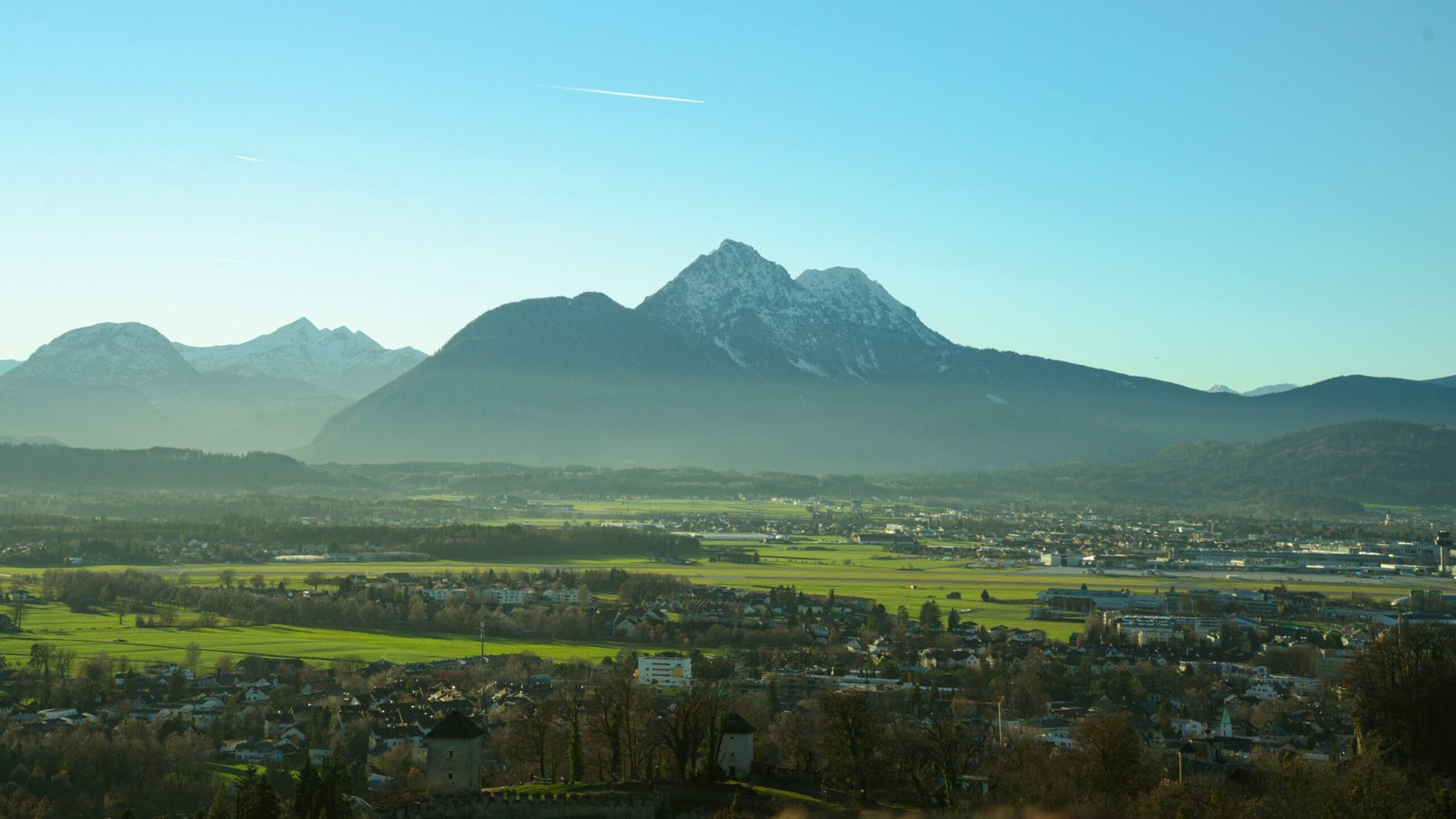
Austria is not just a winter destination, though. Vienna ranks among Europe’s most elegant capitals, with Schönbrunn Palace, the Vienna State Opera, and a coffeehouse culture that UNESCO recognized as an Intangible Cultural Heritage. Salzburg, Mozart’s birthplace, is a compact city of baroque architecture, fortress views, and connections to the Sound of Music filming locations. The Wachau Valley along the Danube is a UNESCO World Heritage site known for its terraced vineyards, apricot orchards, and medieval abbeys.
If you are planning a ski trip to Austria and want detailed resort guides, packing lists, and insider tips on the best Alpine experiences, check out Alpenature for comprehensive coverage of everything the Austrian Alps have to offer.
Best time to visit: December to March for skiing. June to September for hiking, city breaks, and lake holidays in regions like Salzkammergut and Carinthia.
Planning Your European Trip: Practical Tips
Booking flights 8 to 12 weeks in advance typically yields the best fares for European routes. Budget airlines like Ryanair and EasyJet connect major cities affordably, though luggage fees can add up quickly. For covering multiple countries, a Eurail pass remains one of the most flexible options, especially across France, Italy, Spain, and Austria, where high-speed rail networks are well developed.
Travel insurance is worth every cent, particularly for ski trips where injury risk is higher. Many ski resorts in Austria and France require rescue insurance for off-piste skiing, so check your policy before you leave. For accommodation, shoulder-season bookings (spring and autumn) can save 30% to 50% compared to peak summer or winter rates at the same properties.
Each of these 6 countries offers something the others cannot replicate. Italy feeds the soul. Spain energizes it. France refines it. Greece grounds it in history. Switzerland polishes it to perfection. And Austria sends it soaring down a mountain. The only real question is which one to visit first.