In a dramatic reversal that sent shockwaves through global markets and diplomatic circles alike, US President Donald Trump announced on August 2, 2026 that he had called off a massive military operation against Iran. According to Trump, the planned assault would have been “the biggest attack since World War II.”
Instead of launching the strike, Trump said he chose to give diplomacy one more chance. Speaking to reporters aboard Air Force One, he confirmed that negotiations with Tehran were set to begin the following day. But his tone left little room for ambiguity.
“This is the last chance,” Trump said. “This is not something that if it doesn’t happen… This is the last chance for them to sign a good document.”
How Did We Get Here?
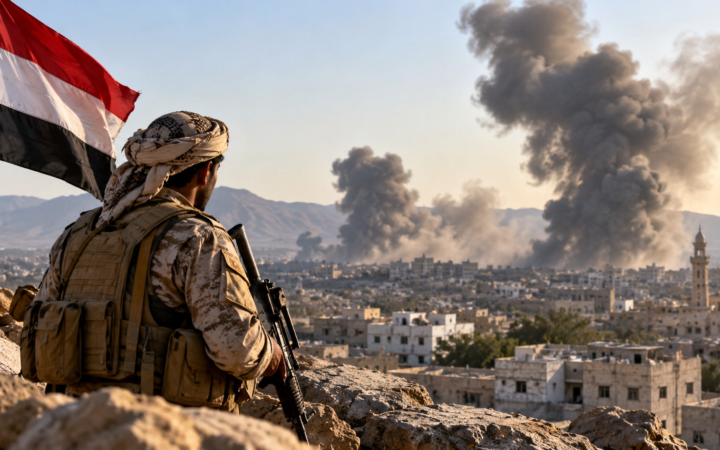
The current US-Iran conflict traces back to February 28, 2026, when the United States and Israel launched coordinated airstrikes against Iranian military, government, and infrastructure targets. Iran responded with missile and drone attacks against Israel, US military bases in the region, and allied nations across the Middle East.
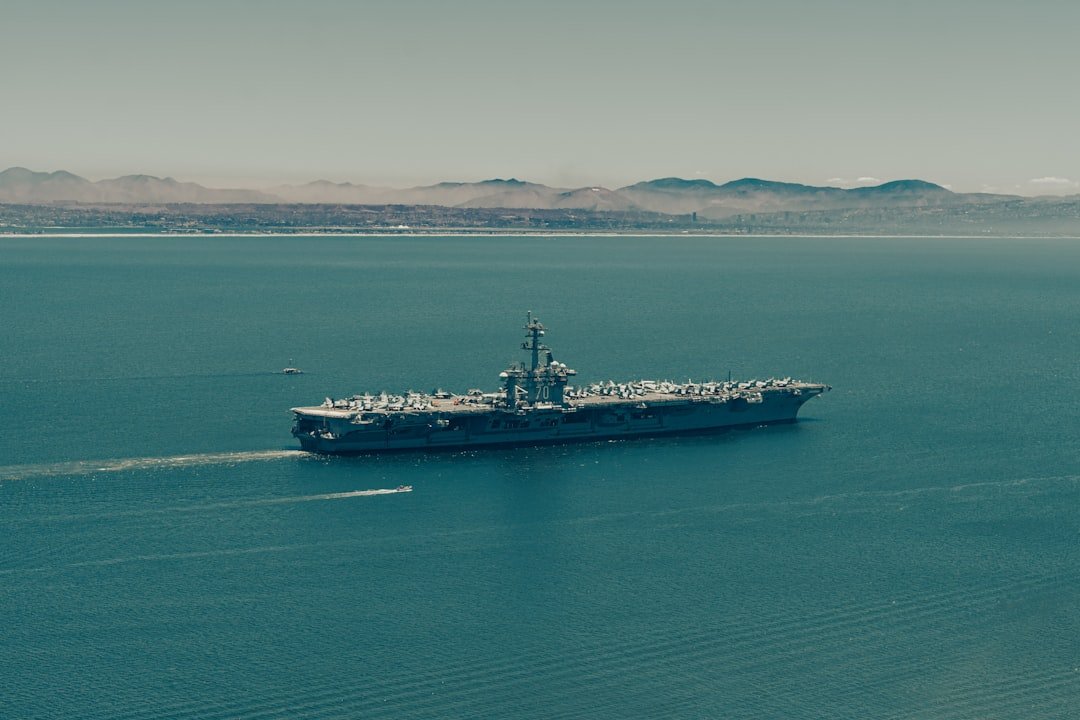
Perhaps the most consequential move came when Iran shut down the Strait of Hormuz to foreign shipping. The narrow waterway between Iran and Oman carries roughly 20 million barrels of oil per day, accounting for about 20% of global seaborne oil trade. Its closure immediately triggered a global energy crisis, pushing oil prices to levels not seen in years.
A ceasefire brokered by Pakistan in April brought temporary relief, but talks eventually collapsed. The two countries resumed military operations, and tensions escalated sharply through July 2026, with both Brent crude and WTI surging more than 20% in a single month.
Tehran Says It Is Not Talking to Washington
Here is where things get complicated. While Trump announced that negotiations would resume, Iran flatly denied holding any direct talks with the United States. The Iranian Foreign Ministry stated that no discussions with Washington were underway.
What Iran did confirm, however, is that it has been engaged in separate negotiations with Oman over the Strait of Hormuz. Foreign Minister Abbas Araghchi told reporters that those talks were entering their “final stages” and moving toward completion.
Foreign Ministry spokesperson Esmaeil Baghaei clarified that these discussions center on establishing a new temporary maritime route through the strait. He was careful to draw a distinction: the Oman negotiations, he said, have “no link to the Strait of Hormuz being opened or closed. That is a separate discussion.”
According to a member of Iran’s negotiating committee, Tehran’s goal is to establish temporary arrangements lasting 1 to 3 months “where Iran is dominant” over the waterway. This is a far cry from the unconditional reopening that Washington has demanded.
Gulf Allies Pushed Trump Toward Restraint
Trump revealed that the decision to hold off was not made in a vacuum. He said that Saudi Arabia, the United Arab Emirates, and Qatar had all urged him to delay the strikes and pursue a negotiated solution.
Saudi Crown Prince Mohammed bin Salman reportedly warned Trump about the potential for unintended consequences from a large-scale attack. Trump paraphrased the concern: “Will they be flooded with people pouring into their country and disaster? A lot of bad things can happen.”
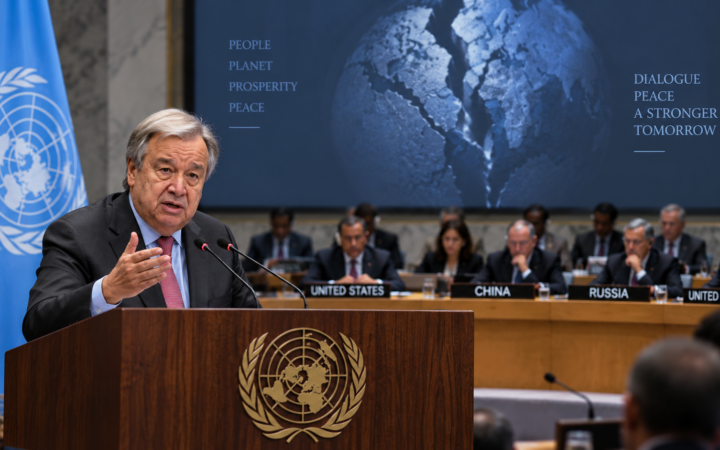
The diplomatic push extended beyond Gulf capitals. Iran’s Foreign Minister Araghchi held phone calls with Saudi Foreign Minister Prince Faisal bin Farhan Al Saud, with Pakistani Army Commander Asim Munir joining the conversation. Qatar’s Foreign Ministry spokesperson, Majed al-Ansari, confirmed on August 4 that “efforts are still ongoing with all the parties” to find a diplomatic resolution.
Oil Markets React Immediately
The announcement had an instant impact on energy markets. Brent crude futures dropped nearly 5% on August 3, falling to around $83 per barrel after Trump’s cancellation of the planned strike. That single-day decline reversed a portion of July’s massive rally, during which Brent had gained more than 20% amid fears of further supply disruptions.
By August 4, however, prices stabilized and edged back up. Brent crude recovered to about $84.39 per barrel, while WTI climbed to roughly $80.95, as traders weighed the uncertain status of negotiations against the ongoing risk of renewed conflict.
The volatility underscores just how tightly global energy markets are tied to whatever happens in and around the Strait of Hormuz. With the waterway still effectively closed to most international shipping, any shift in the diplomatic landscape sends immediate ripples through crude futures.
What Comes Next?
The situation remains deeply fluid. Trump has said he has “no time constraints” on talks but made clear that this is Tehran’s final opportunity before the US escalates again. Iran, meanwhile, has denied the existence of any talks with Washington and is focused on cutting a separate arrangement with Oman.
The gap between these two narratives is significant. Washington is framing this as a bilateral negotiation with a deadline. Tehran is positioning itself as a regional power negotiating on its own terms with a neighbor, not under American pressure.
For global markets, shipping companies, and the millions of people in the region caught in the crossfire, the next few days could define the trajectory of this war. Whether the Strait of Hormuz reopens, whether a broader ceasefire takes shape, and whether either side blinks first are all questions without clear answers.
What is clear is that the world is watching, and the clock is ticking.