Former Bangladesh Prime Minister Sheikh Hasina has announced her intention to return to her home country after spending 2 years in exile in India, despite facing a death sentence handed down by a Bangladeshi court in November 2025.
The 78-year-old former leader made the announcement on August 5, 2026, the second anniversary of her dramatic ouster, through a virtual address at an event hosted by the Foreign Correspondents’ Club (FCC) of South Asia in New Delhi. Her son, Sajeeb Wazed Joy, and several other Awami League leaders also participated in the event.
Hasina Vows to Face Whatever Awaits Her
During her virtual address, Hasina struck a defiant tone, stating that the possibility of arrest or imprisonment would not deter her from returning. She expressed that she could not remain away while her countrymen continue to suffer and described her decision as one driven by duty rather than personal desire or political ambition.
While she did not announce a specific date, Hasina indicated that she intends to return in December 2026. She had previously shared this timeline in a July 2026 interview with Reuters, where she stated her plan to travel alongside senior Awami League officials to challenge the legal dissolution of her party.
Background: The 2024 Ouster and Exile
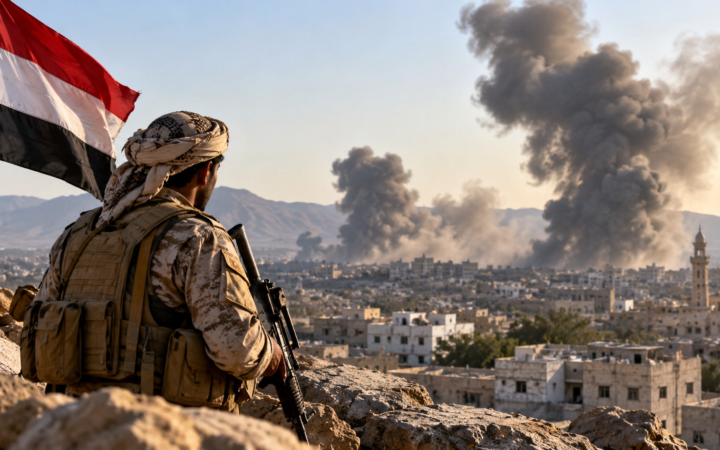
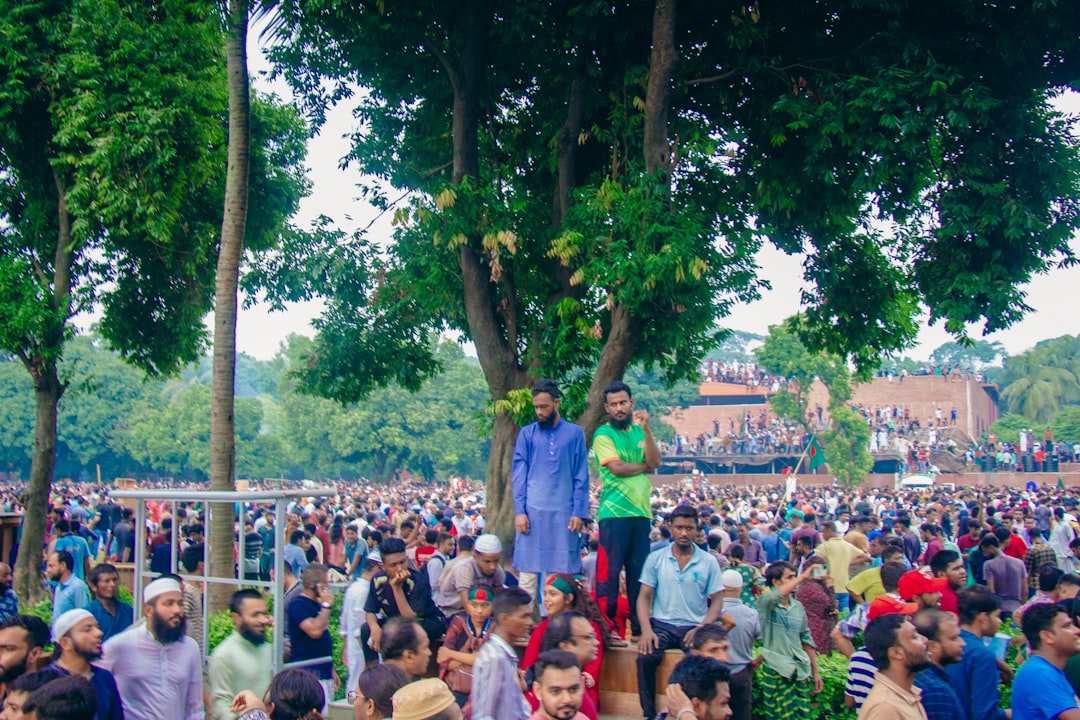
Hasina fled Bangladesh by helicopter on August 5, 2024, after weeks of violent student-led protests against a controversial government job quota system. The demonstrations escalated into a broader movement against her increasingly authoritarian rule. According to United Nations estimates, up to 1,400 people were killed during the unrest between July and August 2024, with the majority of deaths resulting from gunfire by security forces.
The former prime minister, who governed Bangladesh for a cumulative 17 years across 5 terms, has been living in self-imposed exile in India’s capital, New Delhi, since her departure. India has so far declined Bangladesh’s requests for her extradition.
Death Sentence and Ongoing Legal Cases
On November 17, 2025, Bangladesh’s International Crimes Tribunal (ICT) sentenced Hasina to death in absentia for crimes against humanity. The court found her responsible for inciting the extrajudicial killings of protesters and ordering the use of lethal force, including the deployment of drones and helicopters to suppress the 2024 uprising.
Hasina has rejected the verdict, calling it politically motivated and the work of a tribunal she described as rigged and operating under an unelected government with no democratic mandate. She faces additional cases before the tribunal related to enforced disappearances during her rule.
Bangladesh’s Political Landscape Has Shifted
Since Hasina’s ouster, Bangladesh’s political landscape has undergone significant transformation. An interim government led by Nobel Peace Prize laureate Muhammad Yunus oversaw the transition period before the country held elections in February 2026.
The Awami League, which Hasina leads, was banned from contesting those elections under anti-terrorism legislation enacted by the interim government. The party’s registration was also suspended. The Bangladesh Nationalist Party (BNP), led by Tarique Rahman, won a two-thirds majority in the February 2026 elections and now leads the government.
Human Rights Watch has described the ban on the Awami League as draconian. Hasina has argued that an election conducted without her party’s participation cannot be considered a genuine democratic exercise, calling it a coronation rather than an election.
Dhaka Warns India Over the Virtual Address
Ahead of Hasina’s August 5 virtual address, Bangladesh’s government asked India to clarify its position on allowing the exiled leader to engage in political activities from Indian soil. State Minister for Foreign Affairs Shama Obaed Islam stated that Dhaka has been working to improve bilateral relations with India and warned that such activities by a convicted fugitive could undermine the progress made between the 2 countries.
India’s government has denied any involvement in organizing the virtual event, distancing itself from the matter.
What Happens If Hasina Returns?
Political analysts and legal experts have noted that Hasina’s return to Bangladesh would trigger immediate legal action. Her conviction stands with no appeal filed, and she is technically a fugitive under Bangladeshi law. The current government has shown no indication that it would offer her any form of amnesty or legal protection.
Whether Hasina’s planned December return materializes remains uncertain. It would depend on multiple factors, including India’s willingness to allow her departure, the security situation in Bangladesh, and the political calculations of all parties involved. What is clear, however, is that her announcement has injected a fresh layer of tension into Bangladesh’s already fragile political environment.
Image credit: Refat Ul Islam / Unsplash