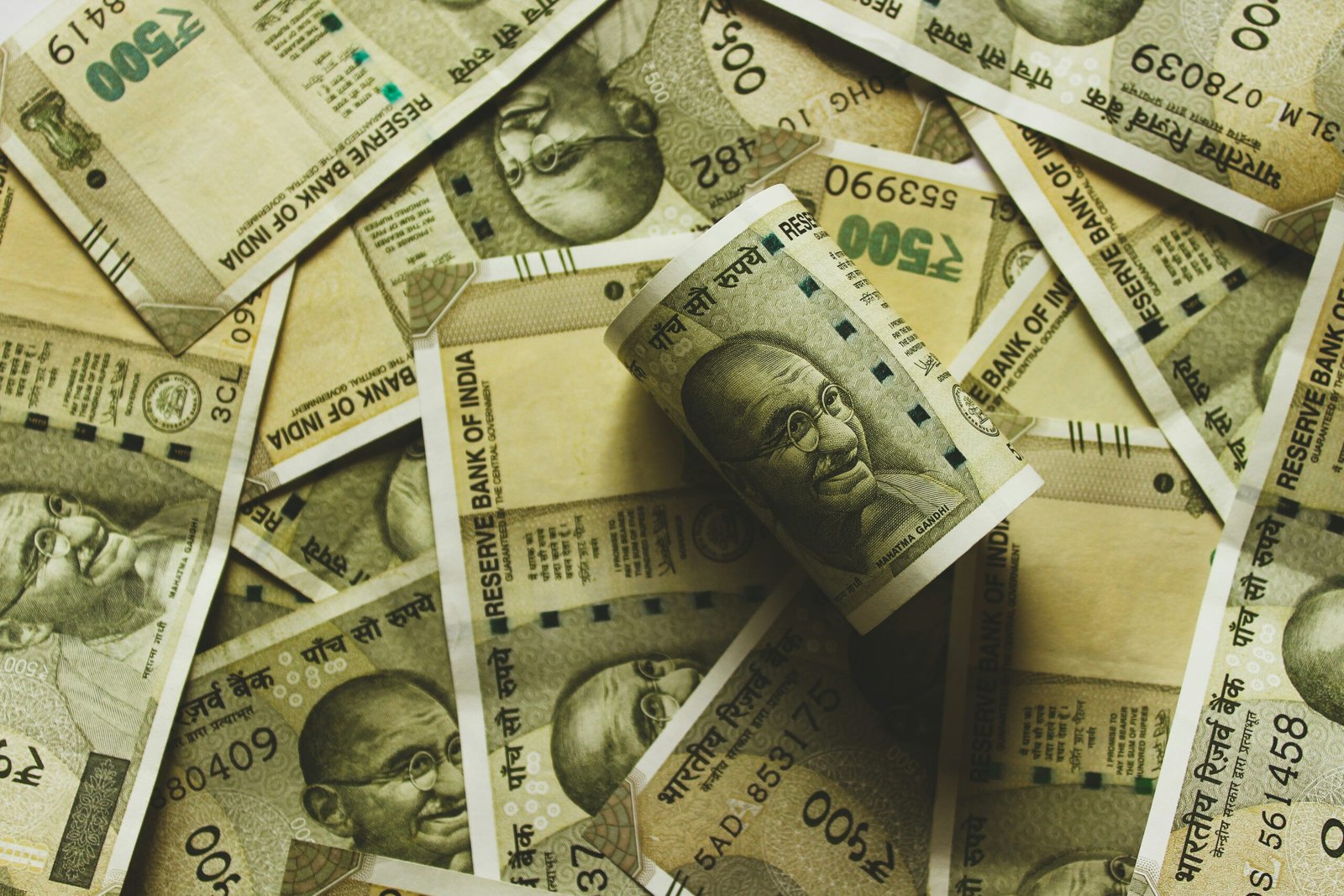
The Indian rupee is having a moment. After months of pressure that dragged it close to record lows, the currency has staged a spirited comeback, climbing for 5 sessions in a row against the US dollar and giving traders, importers and everyday savers something to talk about.
On Thursday, 30 July 2026, the rupee jumped 26 paise to settle at 95.50 against the dollar, its 5th consecutive session of gains. The momentum carried into Friday, when the local unit held its ground in positive territory and closed near the 95.35 mark. For a currency that touched a lifetime low of around 96.6 in May, this run of green sessions marks a notable shift in mood.
So what exactly is powering the rupee’s rise, and does it change anything for you? Let us break it down.
Foreign money is flowing back in
The single biggest reason behind the rally is a change of heart among foreign investors. For much of the year, Foreign Portfolio Investors (FPIs) were pulling money out of Indian stocks and bonds, and every exit meant selling rupees to buy dollars. That steady outflow kept the currency on the back foot.
That trend has now reversed. Over just 3 trading days, FPIs bought Indian equities worth about 7,360 crore rupees, according to market strategists tracking the flows. When global funds buy Indian shares, they first need rupees, and that fresh demand lifts the currency. As V K Vijayakumar, Chief Investment Strategist at Geojit, put it, the shift from steady selling to buying has visibly improved sentiment toward the rupee.
The RBI has been quietly selling dollars
The second force at work is the Reserve Bank of India. Traders say the central bank has been steadily selling dollars in the market through the week, a move that increases the supply of the greenback and helps the rupee firm up.
The RBI does not usually announce these interventions, but their fingerprints are all over the recent price action. By smoothing out sharp swings, the central bank has helped the rupee build a stable base rather than spike and crash. You can track the official reference rates the RBI publishes each working day on the Reserve Bank of India website.
A softer dollar and hopes of a rate cut
Globally, the mood around the US dollar has cooled a little. The dollar index, which measures the greenback against a basket of 6 major currencies, has drifted around the 100 to 101 zone, well off its earlier highs. A softer dollar abroad naturally gives emerging market currencies like the rupee more room to breathe.
Adding to the optimism are expectations that the US Federal Reserve could turn more dovish, which in plain terms means lower US interest rates down the road. When American yields ease, global money tends to look toward faster growing markets like India, and that supports the rupee.
Why the gains are not bigger
If so many factors are lining up in the rupee’s favour, why is it not surging past 95 with ease? The answer sits mostly in the oil market and the Middle East.
India buys the bulk of its crude oil in dollars, so a rising oil price means more dollars leaving the country. Brent crude has stayed elevated near 89 dollars a barrel, which keeps a lid on how far the rupee can climb. On top of that, fresh tensions between the US and Iran, including an exchange of missile strikes reported through the week, have kept global markets nervous and pushed some investors back toward the safety of the dollar.
In short, the rupee is being pulled up by strong inflows and RBI support, and pulled down by costly oil and geopolitical worry. The result is a firm but careful climb rather than a runaway rally.
What happens next
Currency analysts expect the rupee to keep a slightly positive tone in the near term, helped by a soft dollar and improving foreign inflows. Anuj Choudhary, Research Analyst at Mirae Asset ShareKhan, sees the pair trading in a band of roughly 95 to 95.60 in the immediate future.
The bigger event on the calendar is the Reserve Bank of India’s next monetary policy decision, due in early August 2026. Whatever the RBI signals on interest rates could set the tone for the rupee’s next move, so markets will be watching closely.
What it means for you
A stronger rupee is not just a headline for traders. It touches real life in quiet ways.
- Imported goods, from electronics to certain foods, can become slightly cheaper when the rupee gains, since it takes fewer rupees to buy the same dollar priced item.
- Fuel costs may ease at the margin, because India pays for crude oil in dollars.
- Students studying abroad and families sending money overseas get a little more value for every rupee.
- On the flip side, exporters and IT firms that earn in dollars may see their rupee earnings shrink a touch.
For now, the rupee’s 5 session winning streak is a welcome change of pace after a bruising stretch. Whether it can hold the momentum depends on oil prices, global politics and the signals from Mint Street. One thing is clear: after a long spell on the defensive, the Indian currency has finally found a bit of its swagger again.