A class of drugs originally designed to manage type 2 diabetes has become the biggest health story of the decade. GLP-1 receptor agonists — sold under brand names like Ozempic, Wegovy, Mounjaro, and Zepbound — are now being used by tens of millions of people worldwide for weight loss, cardiovascular protection, and a growing list of other conditions. In 2026, their impact on public health is no longer theoretical: for the first time on record, the US adult obesity rate is declining, and researchers are uncovering benefits that extend far beyond the bathroom scale.
Here is what the latest evidence says about GLP-1 drugs, who they help, what risks they carry, and what you should know before considering one.
What Are GLP-1 Drugs and How Do They Work?
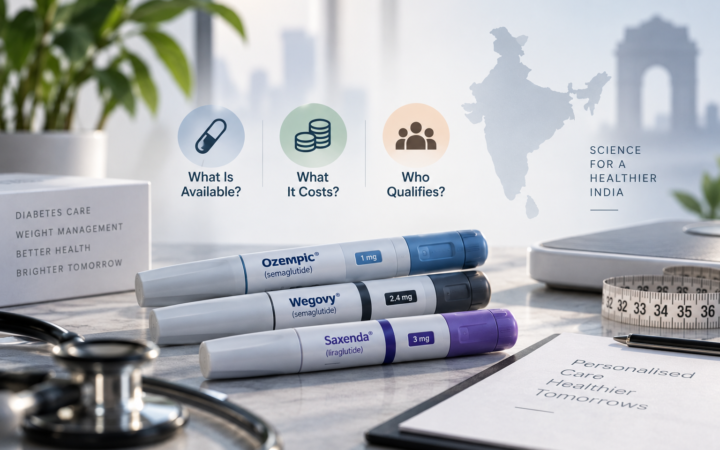
GLP-1 stands for glucagon-like peptide-1, a hormone your gut naturally produces after eating. It signals your brain that you are full, slows digestion, and helps regulate blood sugar. GLP-1 receptor agonists like semaglutide (the active ingredient in both Ozempic and Wegovy) mimic this hormone at much higher levels, reducing appetite, lowering calorie intake, and improving how your body processes glucose.
The FDA first approved semaglutide for type 2 diabetes (as Ozempic) in 2017. In 2021, a higher-dose version was approved for chronic weight management under the brand name Wegovy. Since then, tirzepatide (Mounjaro, Zepbound) — a dual GLP-1/GIP agonist — has joined the market. In June 2026, the FDA approved Eli Lilly’s orforglipron (Foundayo), the first oral GLP-1 pill for weight loss that can be taken any time of day without food or water restrictions.
The Numbers: How Many People Are Using GLP-1s?
Adoption has surged. According to a Gallup survey of more than 5,000 US adults conducted in May–June 2026, 11% of American adults currently use a GLP-1 drug for weight loss — up from just 3% in 2024. An additional 15% report having used one at some point. A separate KFF Health Tracking Poll found that roughly one in five US adults (18%) have ever taken a GLP-1, with current use highest among adults aged 50 to 64 (22%).
The demand has been staggering for manufacturers. Ozempic alone generated roughly $18 billion in revenue in 2025 according to Novo Nordisk’s annual filing, and IQVIA data shows approximately 11 million unique US patients were prescribed a GLP-1 in the second quarter of 2025.
Is the US Obesity Rate Actually Falling?
The data suggests yes — and GLP-1s appear to be a key driver. CDC NHANES data from 2021–2023 put adult obesity prevalence at 40.3%, with 72.4% of adults classified as overweight or obese. But Gallup’s June 2026 health survey estimated the current obesity rate has dropped to approximately 36.4%, the lowest since 2018 and a notable decline from the all-time recorded peak of 39.9% in 2022.
Researchers are directly attributing this to expanded GLP-1 use, though experts caution the trend needs several more years of data to confirm it is sustained and not simply a survey artefact.
What the WHO Says: Global Guidelines Released
In December 2025, the World Health Organization released its first-ever guideline on using GLP-1 therapies to treat obesity. The WHO conditionally recommended semaglutide, liraglutide, and tirzepatide for long-term obesity management — but with an important caveat: “intensive behavioral therapy” should always accompany medication. The guideline called for a global obesity ecosystem to ensure equitable access, noting that fewer than 10% of the roughly one billion people living with obesity worldwide can currently access these drugs.
In September 2025, the WHO also added GLP-1 therapies to its Essential Medicines List for managing type 2 diabetes in high-risk groups — a move that signals growing institutional support for the drug class.
Beyond Weight Loss: Surprising New Benefits
Emerging research in 2026 is expanding the known benefits of GLP-1s well beyond weight loss and blood sugar control.
Heart Health
The FDA approved Wegovy to reduce the risk of cardiovascular death, heart attack, and stroke in adults with cardiovascular disease and obesity or overweight, based on the SELECT trial involving more than 17,600 participants. This made Wegovy the first weight-loss medication also approved for cardiovascular protection.
Dementia Risk
A study led by Case Western Reserve University, analysing health records from nearly 1.7 million patients with type 2 diabetes and published in the Journal of Alzheimer’s Disease, found that semaglutide use was associated with a 40% to 70% lower risk of a first-time Alzheimer’s diagnosis compared to other diabetes medications. The benefit was especially strong in older adults and women. A separate study of approximately 1.1 million patients published in Nature Medicine in January 2026 reported an 18% lower incidence of newly diagnosed Alzheimer’s among semaglutide users.
Biological Aging
A clinical trial reported in July 2026 by ScienceDaily found that semaglutide slowed biological aging markers in adults with HIV, marking the first clinical evidence that the drug may influence human aging — though researchers emphasise that larger studies are needed.
Known Risks and Side Effects
GLP-1 drugs are not risk-free, and anyone considering them should discuss the full picture with their doctor. Common side effects include nausea, vomiting, diarrhoea, and constipation, particularly during dose escalation. More serious but rarer concerns include pancreatitis, gallbladder problems, and potential thyroid tumour risk (the FDA requires a boxed warning about thyroid C-cell tumours based on animal studies).
A May 2026 analysis flagged by ScienceDaily also raised concerns that Wegovy may carry an elevated risk of a rare “eye stroke” (retinal artery occlusion) that can cause sudden vision loss. And a 2025 study found that up to 40% of weight lost on semaglutide may come from lean muscle mass rather than fat — a concern particularly for women and older adults.
Cost and Accessibility Remain Major Barriers
Even as adoption soars, affordability is a persistent problem. According to KFF, over half (56%) of GLP-1 users say the drugs were difficult to afford, and about a quarter (27%) paid the full cost themselves despite having insurance. Medicare does not cover drugs prescribed solely for weight loss, which limits access for adults aged 65 and older — the age group that may benefit most.
Actionable Tips If You Are Considering a GLP-1
Talk to your primary care doctor first — roughly 79% of GLP-1 users got their prescription from a primary care doctor or specialist, according to KFF, not from online providers or medical spas. Ask specifically about whether your health profile fits the FDA-approved indications, not just off-label weight loss. Combine any medication with sustained lifestyle changes, as the WHO guideline and clinical evidence both emphasise that behavioural therapy alongside GLP-1s produces the best long-term outcomes. Be aware that weight regain is common if the drug is stopped without maintaining diet and exercise changes. Finally, avoid compounded or counterfeit versions — the FDA and Novo Nordisk have taken legal action against pharmacies selling non-FDA-approved “semaglutide” products, which may carry safety risks.
Frequently Asked Questions
Are Ozempic and Wegovy the same drug?
Yes. Both contain semaglutide. Ozempic is FDA-approved for type 2 diabetes (and prescribed off-label for weight loss), while Wegovy is approved at a higher dose specifically for chronic weight management and cardiovascular risk reduction.
Can GLP-1 drugs prevent dementia?
Observational studies show a promising association between semaglutide use and lower dementia risk in people with type 2 diabetes. However, these are not randomised controlled trials, and researchers caution that clinical trials are needed to establish a causal relationship.
How much weight can you lose on a GLP-1?
Clinical trials have shown average weight loss of 15% to 20% of body weight with semaglutide (Wegovy) over 68 weeks. Results vary by individual, and sustained results require ongoing lifestyle changes.
Are GLP-1 drugs safe long-term?
Current data from multi-year trials supports their safety profile when used under medical supervision. However, the WHO guideline notes that more research is needed on long-term outcomes including effects on cognition, kidney disease, and addiction.
The Bottom Line
GLP-1 drugs have moved from a niche diabetes treatment to a defining public health tool of the 2020s. With WHO guidelines now in place, the first US obesity-rate decline on record, and research pointing to benefits spanning the heart, brain, and beyond, these medications are reshaping how medicine approaches chronic disease. But they are not a silver bullet — they work best as part of a broader strategy that includes diet, exercise, and behavioural support, and their cost and accessibility gaps remain significant barriers for millions of people who could benefit.
Sources: US Centers for Disease Control and Prevention (CDC/NCHS), US Food and Drug Administration (FDA), World Health Organization (WHO), KFF Health Tracking Poll (November 2025), Gallup National Health and Well-Being Index (June 2026), NIH/PubMed (StatPearls), Journal of Alzheimer’s Disease, Nature Medicine, ScienceDaily. All figures current as of publication on July 26, 2026.